Day 1
Flight from Riga to Cologne (~13:05 – 14:20).
Excursion to Cologne.
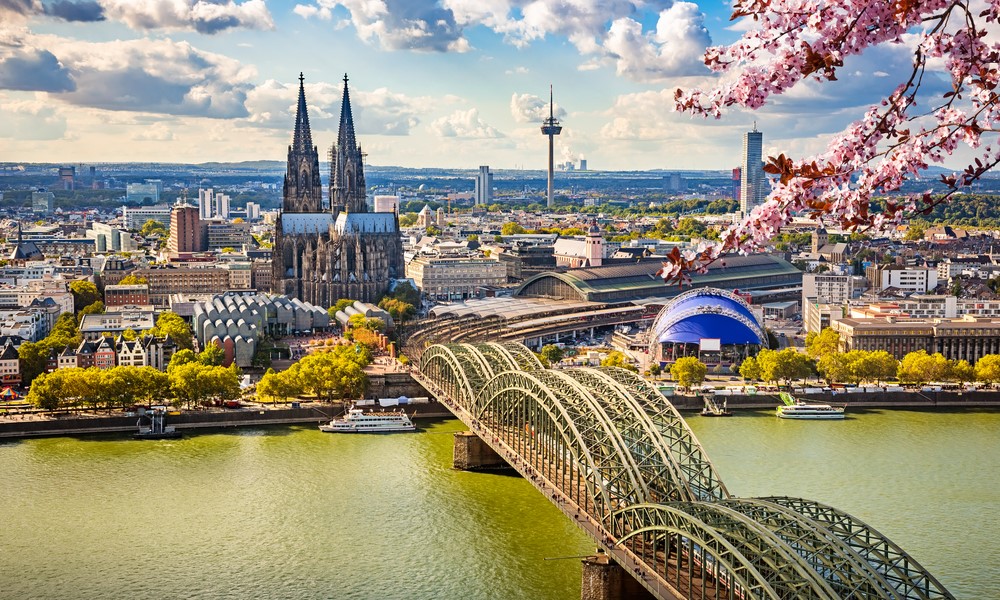
Cologne is one of the oldest cities in Germany, founded by the Romans. Its symbol is the majestic Cologne Cathedral, a Gothic masterpiece listed by UNESCO. The city is famous for its cozy Rhine embankments, narrow streets of the Old Town with typical beer halls serving the famous Kölsch beer, and the Eau de Cologne perfume museum, which gave the world the legendary fragrance. Cologne combines ancient history and modern energy, remaining the soul of the Rhineland.
Departure to a transit 3* hotel. Check-in, rest.
Day 2
Breakfast. Check-out from rooms.
Trip to Amsterdam. Excursion to Amsterdam.
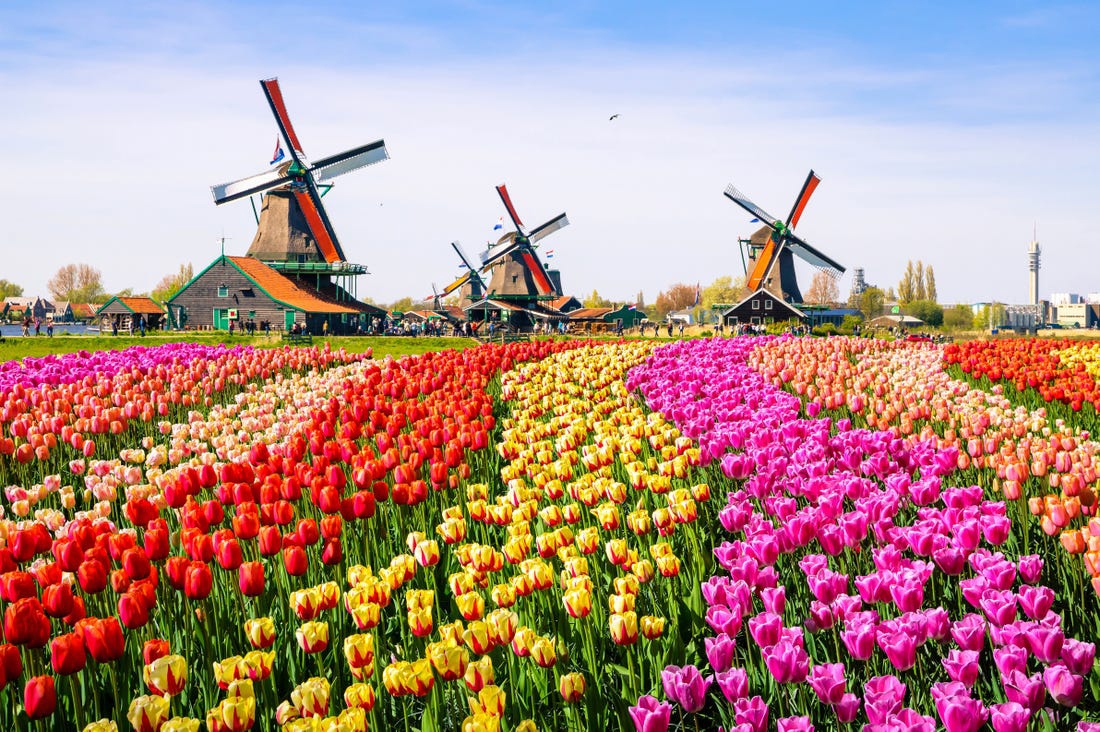
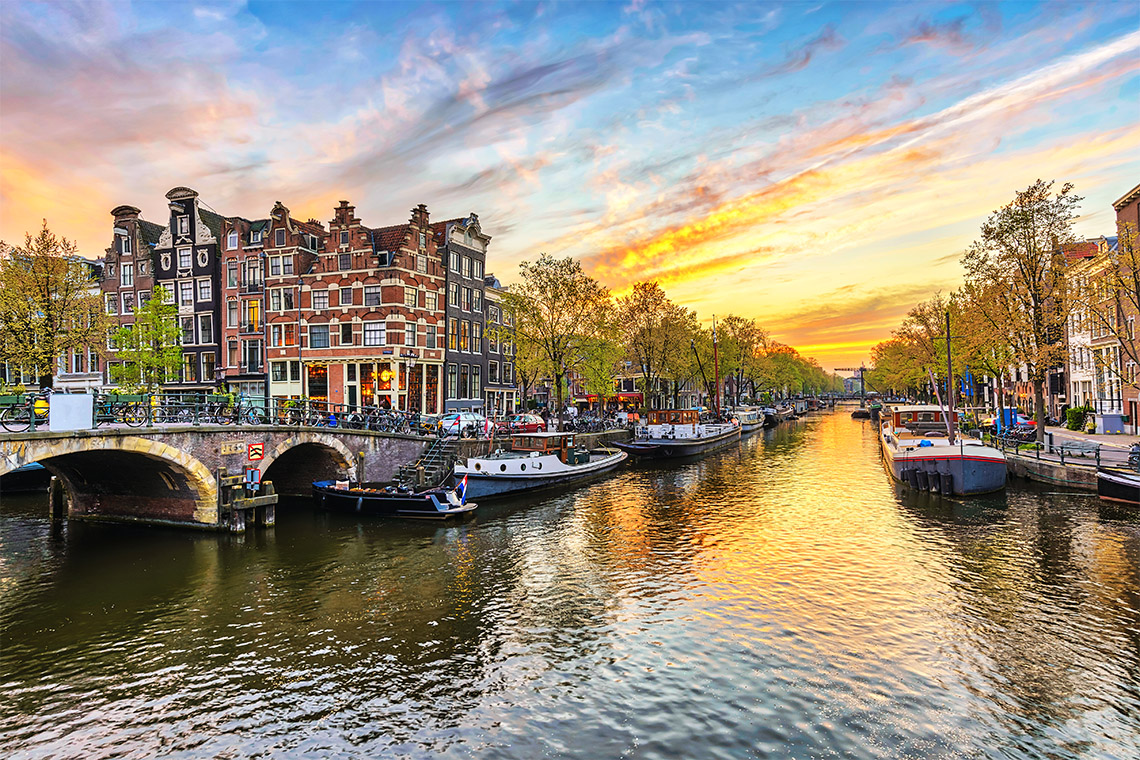
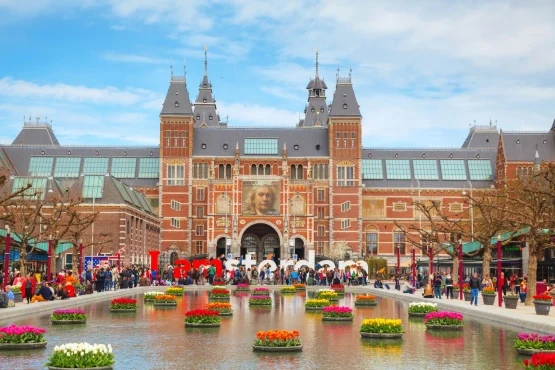
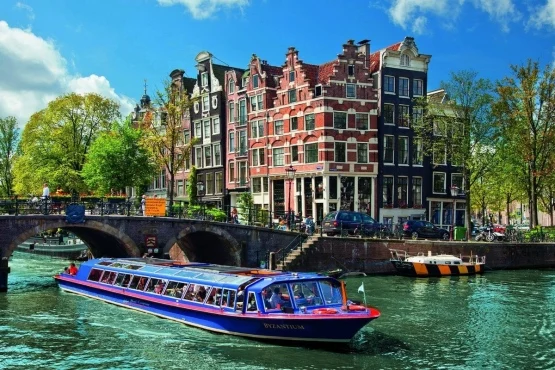
The Dutch are famous for their careful attitude to history, and the center of Amsterdam is evidence of this reverent attitude. Through the bright modern streets, the distinctive medieval city clearly shows through. You will learn interesting Amsterdam stories and legends, versions of the creation of Amsterdam and the history of the city's development. The excursion includes a tour of all the main sights of Amsterdam, such as the Royal Palace, the New and Old Churches, the Berlage Stock Exchange, the Central Station, Chinatown, the Chapel of St. Olof, the courtyard of the Beguine sisters, old houses of Amsterdam and much more. Amsterdam is known all over the world for its numerous canals. Even Peter I appreciated the courage and foresight of the builders of this beautiful shipping city.
Free time, optionally we offer a boat trip on the canals of Amsterdam (surcharge).
Check-in, rest.
Day 3
Breakfast.
Free day. Optionally, we offer an excursion trip to Bruges (surcharge 70 €).
Bruges is one of the most beautiful cities in Europe, also known as the "chocolate capital of Belgium". Medieval Gothic ensembles and a network of canals, perhaps slightly inferior to Venetian ones, attract crowds of tourists every year.
Wide streets and a mass of ancient buildings testify to its former greatness. Bruges is an important economic center. At the end of the 20th century, a modern seaport was built outside the historical core of the city, thanks to which Bruges regained the role of a trading maritime city lost in the Middle Ages.
When visiting Bruges, you will immediately notice that its architectural and artistic features are carefully preserved and conveyed to descendants.
Bruges is unique in how this city combines the past and modern life.
Free time.
Return to the hotel.
Day 4
Breakfast.
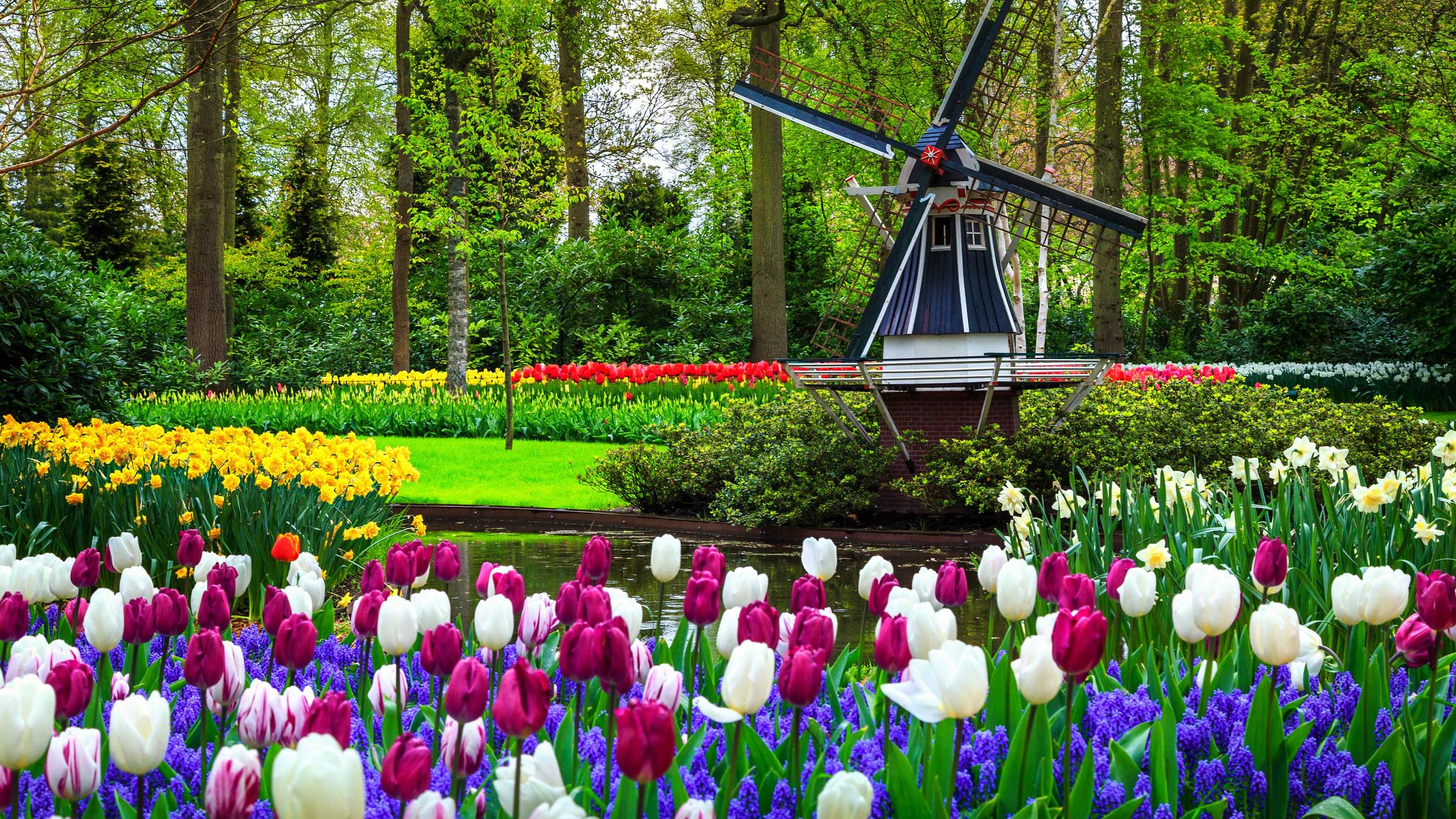
Departure to Keukenhof Flower Park. Free time to visit the park (entrance tickets paid additionally).
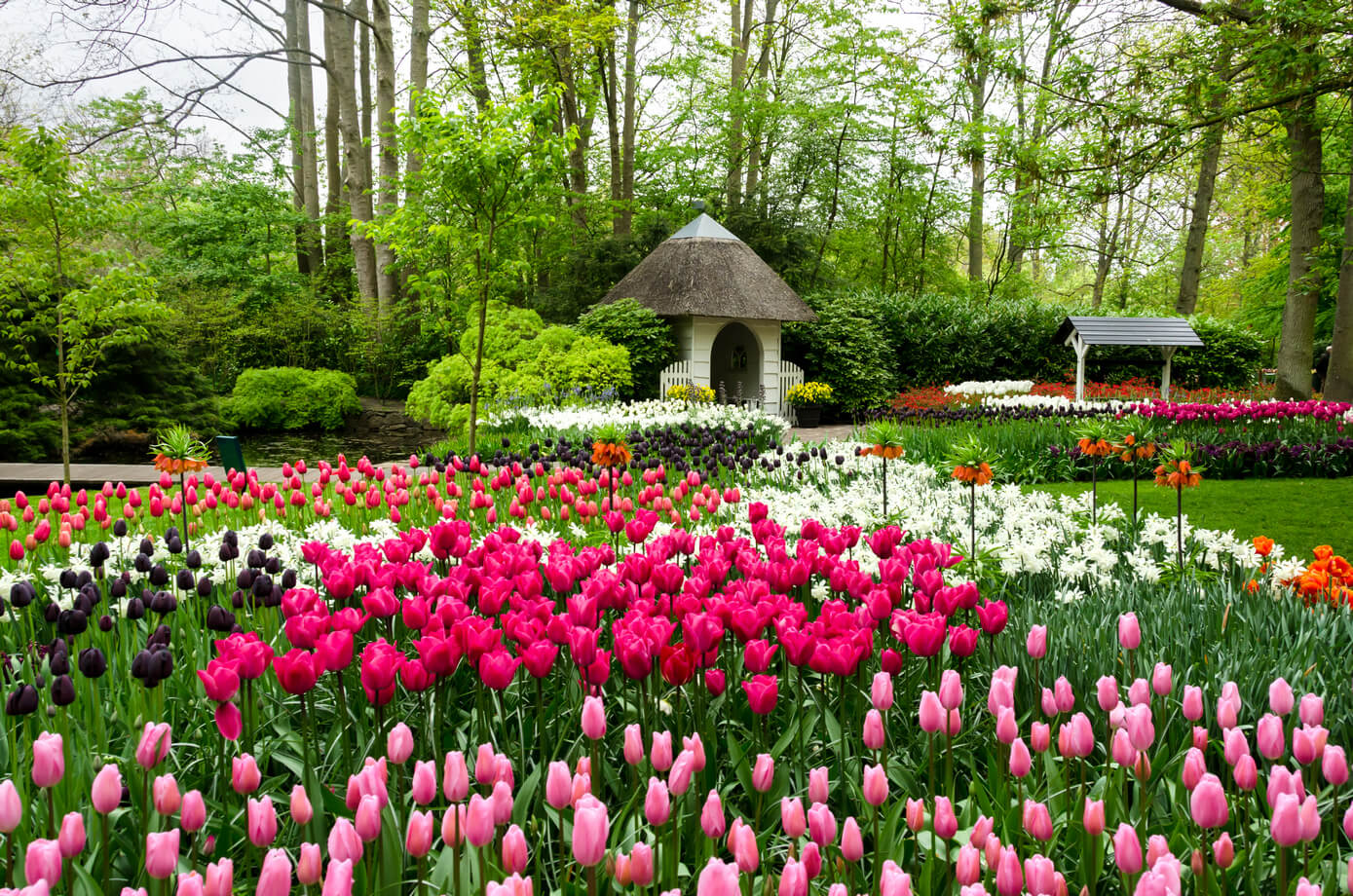
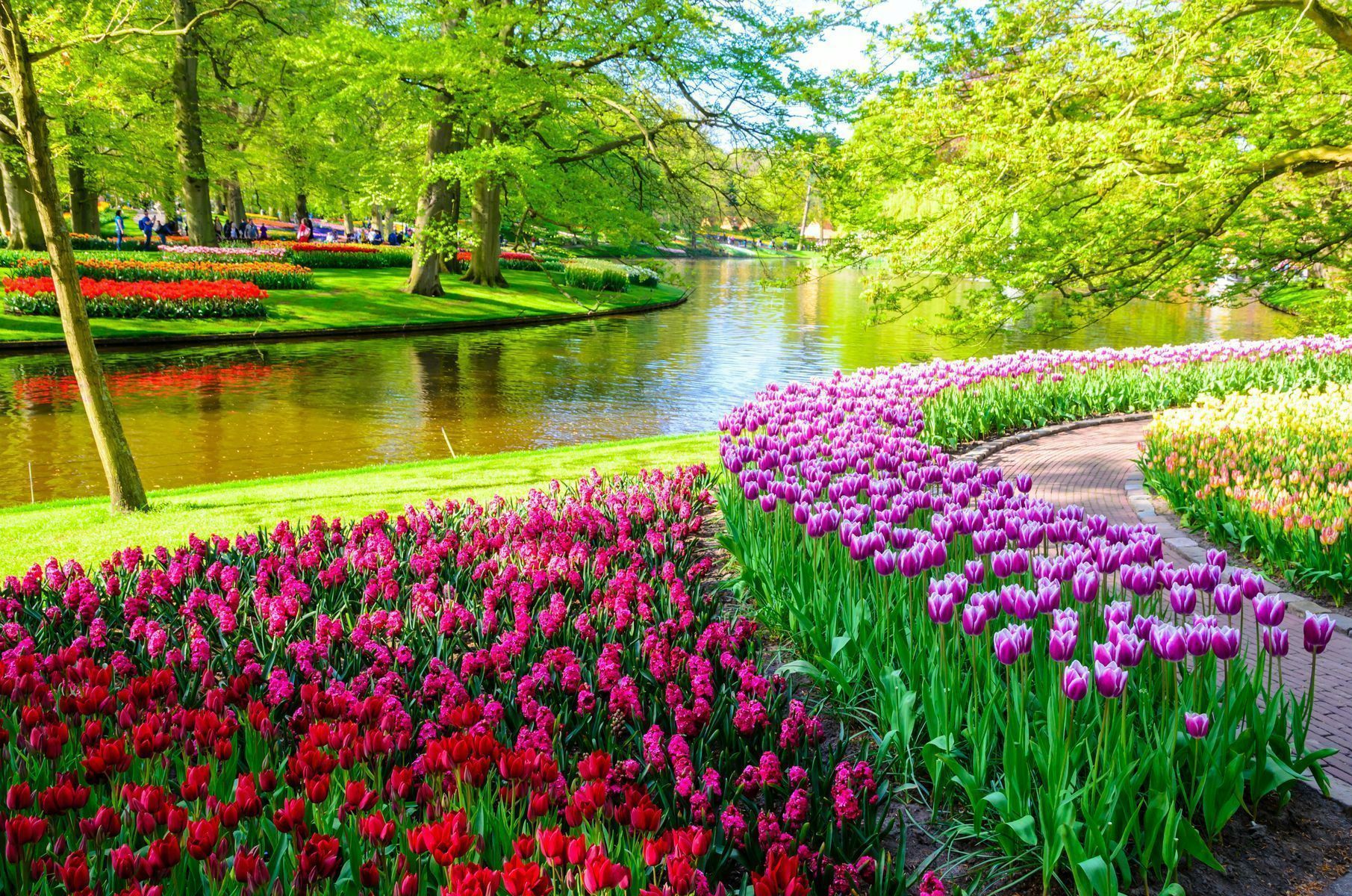
The world-famous Keukenhof Flower Park is one of the most popular pilgrimage sites for tourists visiting the Netherlands in spring. The spectacle is truly amazing: more than 7 million flowers collected on an area of 32 hectares. There are three greenhouses here: the first, with tulips of all kinds of varieties and shades, golden daffodils and lush lilacs, the other - with the luxury of scarlet roses, and the third with absolutely incredible exquisite orchids. The park is located in the town of Lisse, and is open only two months a year - from mid-March to mid-May.
On April 18, the famous flower parade takes place near the flower park. The annual Flower Parade is a celebration of magnificent colors and delightful aromas. 20 huge rafts and 30 carts, richly decorated with flowers, make a 42-km crossing from Noordwijk to Haarlem.
Return to the hotel, rest.
Day 5
Breakfast. Check-out from rooms.
Departure to Brussels, city tour.
The historical center of amazing Brussels is divided into two parts — the so-called Lower and Upper Town. In the Lower Town, simple life has long been in full swing, trade was conducted, crafts and industry developed. In the Upper Town, luxurious palaces and estates of rich people were located. It is here that the historical layout and most of the ancient buildings have been preserved. The main attractions of Brussels are concentrated in the historical center.
The most famous place in the city is the Grand Place, located in the lower town. Most of the sights of Brussels are somehow concentrated around it. A real masterpiece of architecture is the Town Hall, characteristic of any European city. This is a real work of art in the Baroque style. The Town Hall was built in the middle of the 15th century with a watchtower 90 meters high. From here, the statue of St. Michael, the patron saint of Brussels, seems to be watching over the city. Nearby is another majestic structure — the Royal Palace, built in the 16th century.
If you walk a few meters from the main square, you will certainly see the most famous landmark of Brussels, the legendary Manneken Pis — the "Pissing Boy" fountain.
One of the most outstanding structures of the upper town is the Royal Palace of the XVIII-XIX centuries. Nowadays it serves as the residence of the King of Belgium. A park of amazing beauty is laid out around the building. Another symbol of Brussels is the Atomium — a huge model of an iron crystal, installed in 1958.
Departure to the airport.
Flight Cologne – Riga (~21:15 – 00:20).
Day 6
Arrival in Riga.